
Combination Skin Routine in Pakistan: A Simple Plan
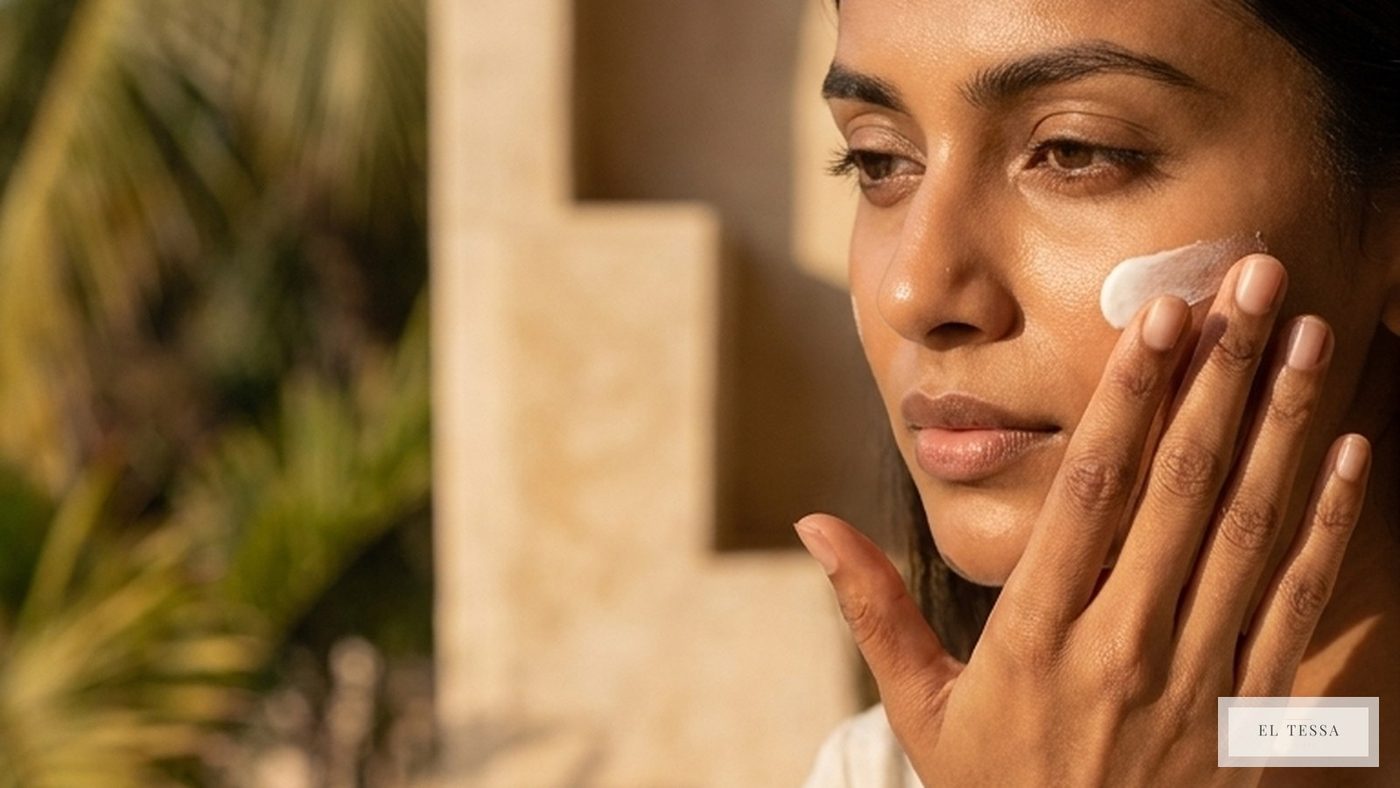
A combination skin routine in Pakistan needs four steps: a gentle face wash, a light oil-free moisturizer, sunscreen every morning, and one active at night. Start with one light product for the whole face. Add a richer cream only on the dry cheeks if they still feel tight.
What Is Combination Skin?
Combination skin means two skin types on one face. The forehead, nose and chin (the T-zone) get oily and shiny, while the cheeks feel normal or dry. Most skincare guides, including those from pharmacies and skincare brands, describe it the same way: the cheeks are the clue, because they stay comfortable or dry while the T-zone shines.
It is very common in Pakistan because heat and humidity push oil production up in summer, while air conditioners and winter air dry the cheeks out. The same face can feel oily in June and tight in January.
How Can You Tell If You Have Combination Skin?
Do this simple check. Wash your face with a gentle face wash, pat dry, and apply nothing. Wait 30 minutes, then look in daylight.
- Shine on the nose and forehead, comfortable cheeks: combination skin.
- Shine everywhere: oily skin. Our oily skin routine is the better starting point.
- Tight or flaky everywhere: dry skin.
Repeat the check on a second day. One test can be thrown off by a hot day, a new product or a poor night's sleep. If you are still unsure after two checks, our guide to choosing a face wash for your skin type goes deeper.
What Is the Best Morning Routine for Combination Skin?
Keep the morning short: wash, moisturize, protect.
1. Wash with a gentle face wash that cleans oil without leaving the cheeks tight.
2. Moisturize with a light, oil-free moisturizer. Oily areas still need moisture. Skipping it can leave skin feeling dry and shiny at the same time.
3. Apply sunscreen as the last step, every morning, even on cloudy days.
If you use a serum, such as vitamin C, it goes between the face wash and the moisturizer. Our guide to the correct order of skincare steps shows where each product sits.
For sunscreen, the American Academy of Dermatology advises a broad-spectrum sunscreen with an SPF of at least 30 and says to reapply about every two hours, or after sweating. Combination skin often dislikes heavy sunscreens on the T-zone, so pick a light, fast-absorbing one. Our best sunscreen guide for oily, acne-prone skin explains what to look for.
What Should the Night Routine Look Like?
At night, the goal is to clean off the day and use one treatment product, not three.
1. Wash your face to remove sunscreen, sweat and dust.
2. Treat with one active if you want one. A salicylic acid face wash, used as your night cleanser, suits the oily T-zone. Our guide on what salicylic acid is and how it works covers the basics.
3. Moisturize with the same light moisturizer you use in the morning.
Do not use a new active every night. If your cheeks feel tight or stingy, use the active on alternate nights, or only on the T-zone.
Do You Need Two Different Moisturizers?
Not at the start. Many guides suggest a lightweight moisturizer for the oily zones and a creamier one for dry cheeks. That works, but it means buying and using two products, and many people never need the second one.
Try this order instead:
1. Use one light, oil-free moisturizer on your whole face for two weeks.
2. If only the cheeks still feel tight by evening, add a second layer of the same moisturizer on the cheeks.
3. Add a richer cream on the cheeks only if that is still not enough.
Simple first, then add. It costs less and it is easier to see what actually helps your skin.
How Should the Routine Change in Summer and Winter in Pakistan?
This is the part most routine guides leave out. Your skin type does not change, but your skin's behavior does.
| Season | What usually happens | What to adjust |
|---|---|---|
| Hot, humid summer | T-zone gets shinier, sunscreen can feel heavy | Use a gel-like moisturizer and a light sunscreen, wash twice a day, reapply sunscreen when you are outside |
| Winter and air-conditioned rooms | Cheeks feel tighter, T-zone calms down | Keep the same face wash but use a gentler one at night, add a second moisturizer layer on the cheeks |
If your cheeks get very dry and flaky in winter, read our winter routine for dry skin and borrow the cheek steps from it. These are general skin-care habits, not measured results, so adjust them to how your own skin feels.
Which Mistakes Make Combination Skin Worse?
- Washing the dry cheeks as hard as the oily nose. Over-cleansing leaves cheeks tight and can make the T-zone produce even more oil.
- Skipping moisturizer because the T-zone is oily. The cheeks still need it.
- Using a strong acid or scrub all over, every day. Treat the T-zone first. Do not use it on the cheeks if they feel sensitive.
- Changing three products at once. If your skin reacts, you will not know which product caused it.
- Leaving out sunscreen. It is the one step that matters most for every skin type.
Which EL TESSA Products Suit a Combination Skin Routine?
EL TESSA (Private) Limited is a skincare and beauty care products manufacturer, and these four products match the routine above. Each is described on its own product page, so check the details there.
- Oil Free Moisturizer: a lightweight 50 ml moisturizer made for oily and combination skin, with a soft-matte finish, used morning and evening.
- Salicylic Acid Face Wash: made for oily and combination skin. The product page says to use it once a day if your skin is dry or sensitive.
- Rice Milk Face Wash: a gentle gel face wash that suits every skin type, a good choice for the other wash of the day.
- SPF 60+ Sunblock: a featherlight sunscreen for oily skin, made as the last morning step.
A simple way to combine them: the salicylic acid face wash at night, the rice milk face wash in the morning, then moisturizer and sunscreen. Watch how your skin feels for two to four weeks before changing anything.
FAQ
Can combination skin use a salicylic acid face wash?
Yes, in most cases. It suits the oily T-zone. If your cheeks feel tight, use it once a day, at night, and use a gentle face wash in the morning.
Do I need a toner for combination skin?
No. A toner is optional. Start with a face wash, moisturizer and sunscreen. Add a toner later only if you want one and your skin handles it well.
Should I use a mattifying product on the whole face?
Only on the oily zones. Matte products on dry cheeks can make them feel tighter.
How long until I see a difference?
Give a new routine a few weeks, and change one product at a time. Skin that is red, stinging or very irritated should be checked by a dermatologist.
Does combination skin change with age?
It can. Skin often gets drier over time, so your cheeks may need more moisture later. Repeat the 30-minute check when your skin starts to feel different.
How this guide was made: drafted with AI assistance from EL TESSA's own product pages and the American Academy of Dermatology sunscreen guidance linked above, and fact-checked by the EL TESSA team on 26 October 2026. It is general skincare information, not medical advice.
Ready to start? Begin with the Oil Free Moisturizer and add one product at a time.
How this guide was made: drafted with AI assistance from EL TESSA product facts and the sources linked above, then fact-checked by the EL TESSA team. Last fact-check: . Cosmetic guidance, not medical advice.